
 Image 1 of 1
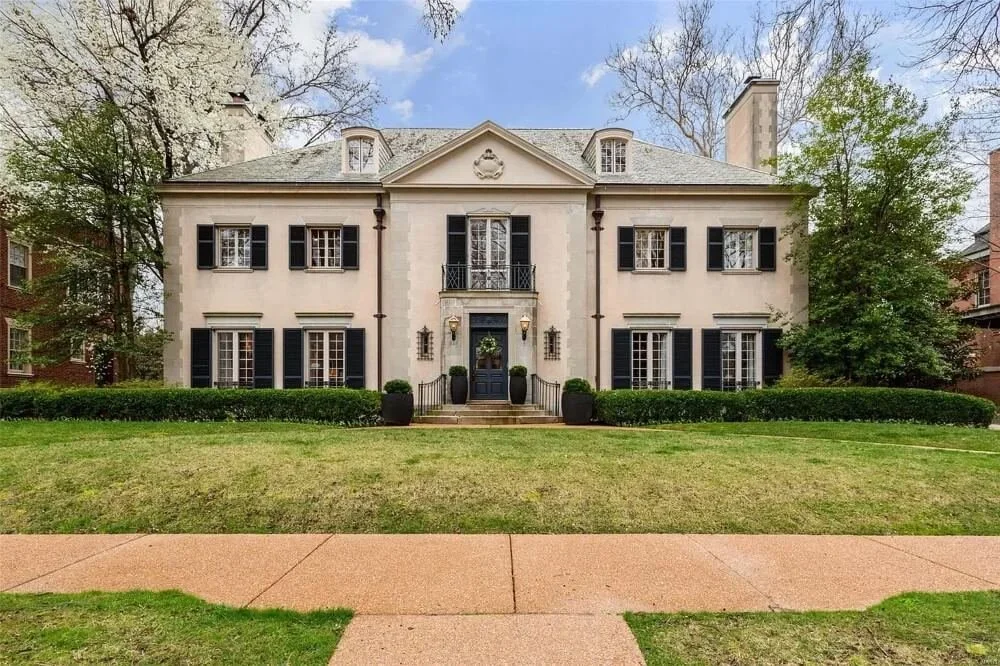
Historic and architecturally significant properties present valuation challenges that often extend well beyond those encountered in a typical residential appraisal. These homes frequently feature unique architectural styles, custom craftsmanship, historic materials, extensive renovations, preservation requirements, and characteristics that are not readily comparable to newer housing stock. As a result, accurately developing a credible opinion of value requires experience, market knowledge, and careful analysis.
One of the most significant challenges in appraising historic properties is the limited availability of truly comparable sales. Buyers of historic homes often place value on features such as original millwork, period details, historic character, architectural significance, unique floorplans, and location within established historic districts. Understanding how the market reacts to these features requires more than a simple comparison of size, age, and condition.
Historic properties may also involve considerations such as restoration quality, modernization, functional obsolescence, preservation restrictions, deferred maintenance, and rehabilitation costs. In some cases, historic designation can positively influence marketability, while in others it may limit remodeling options or increase ownership costs. Properly analyzing these factors requires a thorough understanding of both the property and the market segment in which it competes.
At Superior Appraisals, historic property assignments are approached with detailed research, careful comparable sale selection, and an understanding that these homes often appeal to a specialized group of buyers. The goal is to develop a valuation that recognizes both the tangible and intangible factors that contribute to market value while remaining firmly supported by market evidence.
Benefits of a Historic Property Appraisal
Independent and objective opinion of value
Analysis tailored to architecturally significant and historic residences
Consideration of historic character, preservation, and restoration influences
Detailed research and comparable sale analysis
Experience with older housing stock and unique residential properties
Credible support for lending, estate settlement, divorce, tax appeal, and other valuation needs
Reports developed in accordance with recognized appraisal standards
With more than 23 years of appraisal experience throughout the Greater St. Louis region and surrounding Missouri counties, Superior Appraisals has extensive experience evaluating properties that do not fit within a typical subdivision model. Whether the assignment involves a historic city residence, a century home, a restored farmhouse, or an architecturally distinctive property, a professional appraisal provides a credible and well-supported opinion of value based on careful analysis of both the property and the marketplace.